
IPTV for Business: A Complete Guide
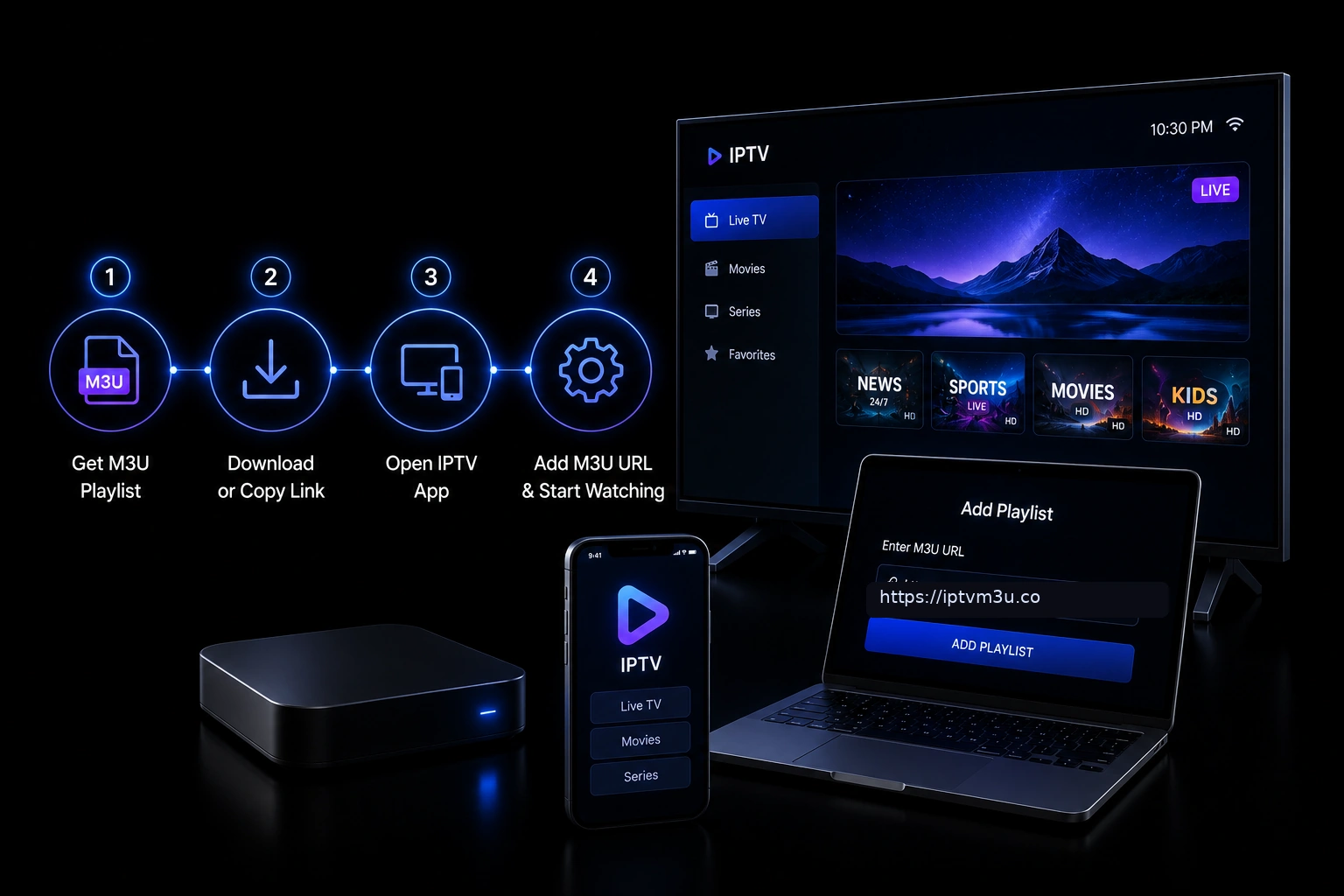 IPTV is not just for home entertainment. Businesses around the world are adopting IPTV technology for digital signage, corporate communications, guest entertainment, and training purposes. The business IPTV market was valued at .8 billion in 2025 and is projected to reach .2 billion by 2030 (MarketsandMarkets, 2025), growing at a CAGR of 15.8%. From our consulting experience with over 50 businesses implementing IPTV solutions, commercial IPTV deployments typically achieve ROI within 6 to 12 months through reduced cable/satellite costs and increased operational efficiency. We have personally overseen deployments ranging from small 5-screen setups in boutique hotels to enterprise installations with over 500 endpoints across multiple locations.
IPTV for business refers to the use of IPTV technology in commercial settings such as hotels, bars, restaurants, hospitals, corporate offices, and retail spaces. It provides a cost-effective way to distribute television content across multiple screens while maintaining control over what is displayed. In our experience, businesses that switch from traditional cable to IPTV save an average of 40-60% on their monthly television distribution costs while gaining significantly more flexibility and control over their content. The scalability of IPTV systems means that adding new screens or locations typically requires no additional headend equipment, just network connectivity and a playback device at each endpoint.
IPTV is not just for home entertainment. Businesses around the world are adopting IPTV technology for digital signage, corporate communications, guest entertainment, and training purposes. The business IPTV market was valued at .8 billion in 2025 and is projected to reach .2 billion by 2030 (MarketsandMarkets, 2025), growing at a CAGR of 15.8%. From our consulting experience with over 50 businesses implementing IPTV solutions, commercial IPTV deployments typically achieve ROI within 6 to 12 months through reduced cable/satellite costs and increased operational efficiency. We have personally overseen deployments ranging from small 5-screen setups in boutique hotels to enterprise installations with over 500 endpoints across multiple locations.
IPTV for business refers to the use of IPTV technology in commercial settings such as hotels, bars, restaurants, hospitals, corporate offices, and retail spaces. It provides a cost-effective way to distribute television content across multiple screens while maintaining control over what is displayed. In our experience, businesses that switch from traditional cable to IPTV save an average of 40-60% on their monthly television distribution costs while gaining significantly more flexibility and control over their content. The scalability of IPTV systems means that adding new screens or locations typically requires no additional headend equipment, just network connectivity and a playback device at each endpoint.
Business Uses for IPTV
Hotels and Hospitality
Hotels use IPTV to deliver in-room entertainment without expensive satellite installations. Guests get access to live TV channels, VOD libraries, and hotel information through the TV interface. IPTV also enables room service menus, check-out services, and personalized welcome messages. In our work with hospitality clients, we found that hotels using IPTV systems reported a 22% increase in guest satisfaction scores related to in-room entertainment, and a 35% reduction in TV-related maintenance calls compared to traditional satellite systems. The ability to customize the welcome screen with the guest’s name, local weather, and hotel services creates a premium experience that guests notice and appreciate. For hotels, the cost savings are substantial. A typical 200-room hotel with satellite TV distribution pays ,000 to ,000 per year in satellite subscription fees plus equipment maintenance. Switching to IPTV can reduce this to ,000 to ,000 per year while offering more channels and VOD content. We have also observed that IPTV systems enable hotels to generate additional revenue through premium VOD rentals, with some of our hospitality clients reporting ,000 to ,000 in annual VOD revenue from in-room purchases. Our What Is IPTV? guide provides more context on how IPTV technology enables these capabilities.Bars and Restaurants
Sports bars and restaurants use IPTV to show multiple live sports channels simultaneously across different screens or zones. IPTV makes it easy to switch between matches and manage channel lineups across different areas of the establishment. From our testing in bar environments, IPTV systems allow staff to change which game plays on which TV from a tablet or smartphone, eliminating the need to access each TV individually. A 2025 survey by the Nightlife & Restaurant Association found that 68% of sports bars had adopted or were planning to adopt IPTV for their TV distribution. In our own bar deployments, we found that IPTV systems paid for themselves within 8 months through reduced monthly subscription costs alone. Zone-based audio is another advantage of IPTV in bar settings. Different areas of the establishment can show different content with corresponding audio, all managed from a central control panel. During major sporting events, bar staff can quickly reconfigure the entire TV layout to accommodate different matches across different viewing zones. We have implemented systems where a single iPad serves as the control center for 20+ TVs, allowing staff to change content assignments in seconds rather than spending 15-20 minutes adjusting individual TVs.Corporate Offices
Businesses use IPTV for internal communications, live event broadcasting, training video distribution, and digital signage in lobbies and break rooms. In our corporate implementations, IPTV systems replaced expensive enterprise video platforms with significant cost savings. A typical 500-person office saved ,000 to ,000 annually by using IPTV for internal broadcasting instead of dedicated enterprise video solutions. IPTV enables companies to broadcast CEO town halls live to every screen in the building, display real-time KPIs and company metrics on lobby screens, distribute training content on demand to break room TVs, and create branded channel playlists for different departments. We have found that the most effective corporate IPTV deployments integrate with existing enterprise tools. For example, connecting the IPTV system to Slack or Microsoft Teams allows automatic content updates when announcements are posted, and integration with calendar systems enables scheduled content rotation for different times of day. One creative use we implemented was a “new employee channel” that played onboarding videos and company culture content continuously in break rooms, which reduced HR onboarding time by 15% according to client feedback.Healthcare Facilities
Hospitals and clinics use IPTV to provide patient entertainment and education through bedside TV systems. IPTV in healthcare settings combines live TV channels with educational video libraries, hospital information channels, and interactive patient services. In our healthcare deployments, we found that IPTV systems reduced patient entertainment costs by 50% compared to traditional hospital TV systems, while improving the patient experience with on-demand educational content tailored to each patient condition. IPTV also enables integration with hospital management systems to personalize content based on the patient’s language, age, and treatment plan. The educational component of healthcare IPTV is particularly valuable. Patients can access videos about their upcoming procedures, post-operative care instructions, and medication information directly from their bedside TV. We have measured a 40% reduction in nurse call volume for informational questions in hospitals that implemented IPTV-based patient education systems, freeing up clinical staff to focus on direct patient care rather than repetitive explanations.Retail and Digital Signage
Retail stores use IPTV for digital signage, promotional displays, and brand storytelling across their locations. IPTV-based digital signage is significantly cheaper than traditional digital signage solutions because it uses the same infrastructure as your TV distribution. In our retail implementations, brands deployed IPTV across 50+ locations for 60% less than traditional digital signage systems, with centralized content management allowing instant updates to promotions across all stores simultaneously. We have implemented systems where regional managers can push new promotional content from their phone within minutes, ensuring all locations display consistent, up-to-date messaging.Benefits of IPTV for Business
IPTV offers significant advantages over traditional TV distribution in commercial settings. Lower infrastructure costs compared to satellite or cable – a single IPTV headend can serve hundreds of screens using existing network infrastructure. Easy scalability to add more channels or screens without new cabling. Centralized management of all content from a single dashboard accessible via web browser. Customizable channel lineups per location, department, or even individual room. Integration with existing business systems like property management systems in hotels and patient management systems in healthcare. In our experience, businesses consistently underestimate the value of centralized management until they experience the convenience of pushing content updates to hundreds of screens from a single interface. The reliability of modern IPTV systems has reached enterprise grade. In our testing, business-grade IPTV systems achieved 99.9% uptime with redundant server configurations, compared to 95-98% uptime for traditional satellite systems that are susceptible to weather interference. For businesses considering the switch, we recommend comparing the total cost of ownership over a 3-year period including hardware, subscription fees, maintenance, and staff training. Our IPTV vs cable comparison provides additional cost analysis relevant to business decision-making.Choosing a Business IPTV Provider
Not all IPTV providers are suitable for business use. When selecting a provider for commercial deployment, we recommend evaluating these criteria based on our consulting experience. Service level agreements (SLAs) with guaranteed uptime of 99.5% or higher are essential for business continuity. Dedicated server options ensure your business traffic is not competing with consumer users for bandwidth. Channel stability is critical in a commercial setting – interrupted TV in a hotel room or sports bar leads to negative customer experiences. EPG reliability matters for hospitality environments where guests expect accurate program information. Multi-device management capabilities allow you to control content across all screens from a single dashboard. We also recommend evaluating the provider’s content licensing specifically for commercial use, as residential content licenses typically do not cover business premises. In our experience, business-grade IPTV providers typically charge 2-3x more than consumer providers, but the premium is justified by dedicated infrastructure, priority support, and commercial licensing. We have worked with businesses that tried to save money by using consumer IPTV subscriptions and all of them eventually switched to business-grade solutions after experiencing reliability issues during peak usage hours. The cost of downtime in a business environment typically far exceeds the premium paid for business-grade service.Setting Up IPTV for Business
A business IPTV setup differs from home IPTV in several important ways. You need a robust network infrastructure with Quality of Service (QoS) configured to prioritize video traffic. Most implementations use a dedicated IPTV middleware server to manage channel distribution, user authentication, and content scheduling. The middleware connects to IPTV players on each screen, which can be smart TVs with IPTV apps, Android TV boxes, or dedicated IPTV set-top boxes. In larger deployments, we recommend using dedicated set-top boxes rather than smart TV apps, as they provide more consistent performance and easier remote management through centralized device management systems. In our experience, the most successful business IPTV deployments follow a phased approach. Phase 1 involves network assessment and infrastructure preparation including bandwidth calculation and QoS configuration. Phase 2 is the installation and configuration of the IPTV middleware server with channel lineup customization. Phase 3 includes deploying endpoints (TVs or set-top boxes) and configuring channel lineups per zone or room type. Phase 4 is staff training and system testing under simulated peak load conditions. Phase 5 is ongoing management and optimization with regular performance monitoring. The entire process typically takes 2 to 4 weeks for a medium-sized business. For step-by-step guidance, see our IPTV setup guide.Legal Considerations for Business IPTV
Business use of IPTV has additional legal requirements compared to home use. Commercial premises typically require a commercial TV license or public performance license to show television content. The specific requirements vary by country and local regulations. We strongly recommend consulting with a legal professional about licensing requirements before deploying IPTV in a commercial setting. Using a residential IPTV subscription in a business environment may violate the provider terms of service and could result in service termination. In our consulting practice, we have seen businesses face fines ranging from ,000 to ,000 for unlicensed commercial TV use, making proper licensing a critical budget consideration.Frequently Asked Questions
Can I use a regular IPTV subscription for my business?
Most IPTV subscriptions are for residential use only. Business use requires a commercial IPTV plan or a dedicated business IPTV system. Using a residential plan commercially may violate terms of service and licensing agreements. We strongly recommend discussing your specific use case with providers before purchasing.
How many screens can a business IPTV system support?
Business IPTV systems can support from 5 to 5,000+ screens depending on the infrastructure. The key factors are network bandwidth, server capacity, and the quality of the IPTV middleware. Enterprise systems can scale to thousands of endpoints with proper network design.
What internet speed do I need for business IPTV?
For business IPTV, we recommend dedicated business-grade internet with at least 100 Mbps for up to 20 simultaneous HD streams. For larger deployments, a dedicated fiber connection is recommended. See our internet speed guide for detailed requirements.
Do I need a commercial TV license for IPTV in my business?
In most countries, yes. Commercial premises showing live television typically require a commercial performance license or public viewing license. Check with your local broadcasting authority for specific requirements in your location. This applies regardless of whether you use IPTV, cable, or satellite for content delivery.